
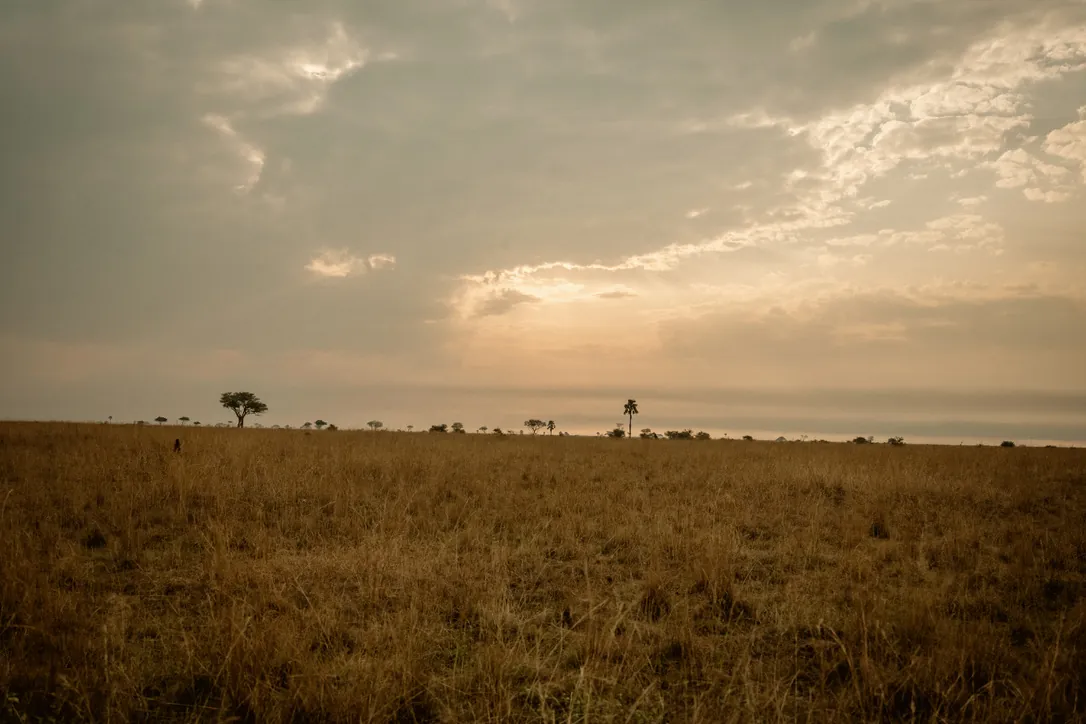
Everything you need before you go
Visas, health, the best time to travel, money and packing: practical answers for planning your Uganda safari, from people who plan them for a living.
Entry rules last checked: November 2026. They can change, so always confirm on official websites before you travel.
Visas and entry requirements
Most visitors need a visa for Uganda, and it must be arranged online before you fly.
Do I need a visa?
Most nationalities do. Uganda no longer issues visas on arrival, so apply for an e-visa on the official Uganda immigration portal before you travel, then print your approval letter and carry it with your passport.
How much does it cost?
A single-entry tourist visa costs $50 and is valid for up to 90 days. If your trip also includes Kenya or Rwanda, the East Africa Tourist Visa costs $100 and covers all three countries for 90 days. Apply for it through the country you enter first.
When should I apply?
Approval usually takes a few working days, so apply at least two to three weeks before you travel. Use only the official portal: look-alike websites charge extra fees.
What about my passport?
Your passport should be valid for at least six months after you arrive and have blank pages for the entry stamps.
Health and vaccinations
Visit a travel clinic or your doctor six to eight weeks before you travel for advice that fits your health and itinerary.
Is the yellow fever certificate required?
Since 2 October 2026 Uganda no longer requires travellers to show a yellow fever vaccination certificate at the border. Yellow fever is still present in Uganda and vaccination is still recommended, and some airlines and neighbouring countries may ask for the certificate, so we suggest you get vaccinated and carry your card.
What about malaria?
Malaria is present across Uganda. Ask your doctor about anti-malaria tablets, use insect repellent, and cover up at dusk. Most lodges provide mosquito nets.
What else should I know?
Drink bottled or filtered water, which is easy to find on safari. Bring any prescription medicines you need for the whole trip, and remember that gorilla and chimpanzee treks are not allowed if you have a cold, flu or other infection.
Do I need travel insurance?
We strongly recommend travel insurance that covers medical treatment and emergency evacuation. Insurance is recommended but not required to book with us.
The best time to visit Uganda
Uganda is a year-round destination. Close to the equator, it stays pleasantly warm, with two drier and two wetter seasons.
Drier seasons: June to September and December to February
The most popular months. Forest trails are easier for gorilla and chimpanzee trekking, and animals gather near water in the savannah parks. Book permits and lodges early for these months.
Wetter seasons: March to May and October to November
Greener landscapes, fewer visitors and often lower lodge rates. Rain usually comes in short, heavy showers rather than all day, and trekking continues as normal.
What is the weather like?
Days are generally warm. Mornings and evenings can be cool, especially in Bwindi, Kibale and around Fort Portal, which sit higher up, so bring a warm layer.
Money and payments
The local currency is the Uganda shilling (UGX). US dollars are the most widely accepted foreign currency for safaris and lodges.
Should I bring US dollars?
Yes, some cash is useful. Bring clean notes printed in 2009 or later, as older or damaged notes are often refused. $50 and $100 notes get a better exchange rate than smaller notes.
Can I use cards and ATMs?
ATMs are found in Kampala, Entebbe and larger towns such as Fort Portal, and most accept Visa cards. Card payments are possible at many lodges, sometimes with a fee, but carry cash for small purchases and markets.
How do I pay for my safari?
A 20% deposit confirms your booking, and the balance is due 60 days before your trip starts. We accept bank transfer, card, mobile money and PayPal. Gorilla permits are paid in full when we book them, because they sell out quickly.
Packing for your safari
Pack light and practical. On most safaris you travel in a 4x4 with a driver-guide, so a soft bag is easier to load than a hard suitcase.
Clothes
Light, breathable clothes in neutral colours (khaki, green, beige), a warm fleece for cool mornings, a waterproof jacket, and a hat.
For gorilla and chimpanzee trekking
Waterproof hiking boots, long trousers, long sleeves, gardening gloves for gripping vegetation, and a small daypack with water and snacks.
Useful extras
Binoculars, sunscreen, insect repellent, a torch, a power bank, and a UK-style (Type G) plug adapter. Bring a camera with spare batteries and memory cards.
Getting around and staying connected
Most international visitors arrive at Entebbe International Airport, about an hour from Kampala.
How do I get around?
On our safaris you travel in a 4x4 safari vehicle with a driver-guide, with pick-up from Entebbe or Fort Portal included where shown in the itinerary. Roads to the parks are a mix of tarmac and murram (dirt), so some days include long drives with beautiful scenery. If you prefer to travel on your own, we also offer car hire, self-drive or with a driver.
Will my phone work?
Mobile coverage is good in towns and along main roads, and patchy in some parks. A local SIM card is cheap and easy to buy with your passport. Most lodges have Wi-Fi, though it can be slow.
Is Uganda safe for travellers?
Uganda is known for its friendly, welcoming people, and most visits are trouble-free. Take the usual care with valuables in towns, follow your guide in the parks, and check your government's travel advice before you go.
Booking with Matunda Tours
Every safari is private and planned around you. Here is how booking works.
How do I book?
Send an enquiry or message us on WhatsApp with your dates and the trip you like. We reply within 24 hours with availability and a price for your group, then adjust the plan with you until it is right.
What is the booking and payment process?
A 20% deposit confirms your booking, and the balance is due 60 days before your trip starts. We accept bank transfer, card, mobile money and PayPal. Gorilla permits are paid in full when we book them, because they sell out quickly.
What is your cancellation policy?
If you need to cancel, refunds of the amount paid depend on how close to departure you cancel. Administrative fees, where they apply, are not refunded.
- 60 days or more before departure: 100% refund
- 59 to 44 days before departure: 50% refund
- 43 to 30 days before departure: 25% refund
- Less than 30 days before departure: no refund
- Gorilla permits: no refund, but they can be rescheduled to another date, subject to availability
If a trip is affected by force majeure, such as natural disasters or political unrest, we will work with you to reschedule or find an alternative, but refunds cannot be guaranteed.
Do prices change with group size?
Yes. Our prices are per person and are lowest for groups of eight. Smaller groups pay more per person, and we always confirm the exact price for your group and dates before you book.
Still have a question?
Ask us anything about travelling in Uganda. We reply within 24 hours.